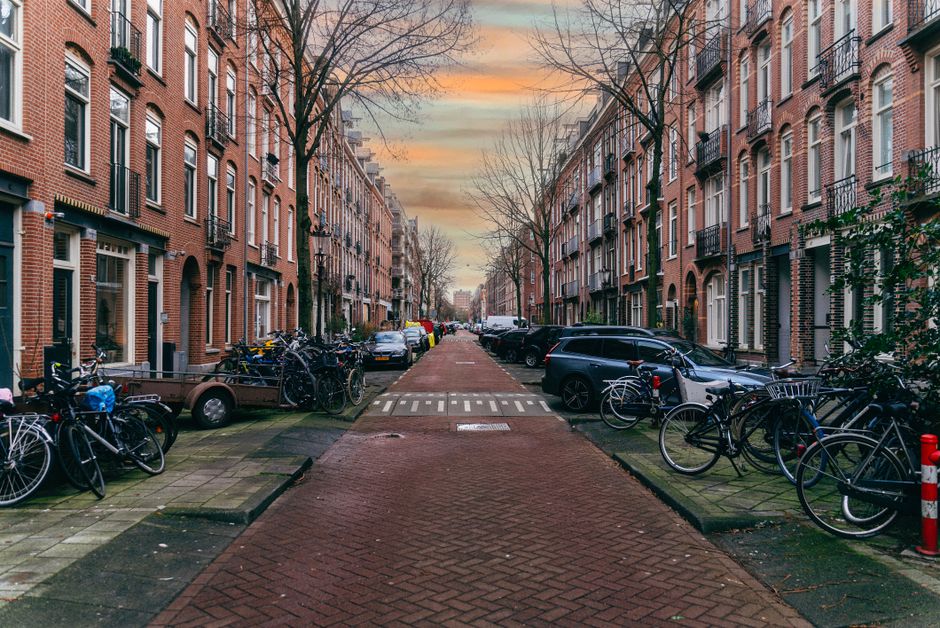
What to know about parking suspensions for Holland Park removals
If you are planning a move in Holland Park, parking can make the day feel either calm or chaotic. That is especially true when a removals van needs space right outside the property, because one missed suspension notice can turn a straightforward move into a stressful shuffle of boxes, excuses, and wasted time. This guide explains what to know about parking suspensions for Holland Park removals, how they usually work, why they matter, and how to plan your move without the usual last-minute panic.
In practical terms, a parking suspension is there to reserve a stretch of road for a specific use. For removals, that usually means creating room for a van, a truck, or a loading bay so the team can work safely and efficiently. Sounds simple. In reality, the detail matters: timing, signage, access, nearby restrictions, and the shape of the street all play a role.
Below, you will find a clear walkthrough, a useful checklist, a comparison table, and the kind of real-world advice that saves time on moving day. If you want the move itself handled professionally, the wider removals service page is a helpful place to start, and if your move is a home move with multiple rooms or bulky furniture, the house removals and flat removals services are worth reviewing too.
Table of Contents
- Why parking suspensions matter for Holland Park removals
- How parking suspensions work in practice
- Key benefits and practical advantages
- Who this is for and when it makes sense
- Step-by-step guidance
- Expert tips for better results
- Common mistakes to avoid
- Tools, resources and recommendations
- Law, compliance, standards and best practice
- Options, methods and comparison table
- Case study or real-world example
- Practical checklist
- Conclusion
- Frequently asked questions
Why parking suspensions matter for Holland Park removals
Holland Park has plenty of streets where parking space is tight, controlled, or simply awkward for a large vehicle. That is not a complaint, just a reality of moving in London. A removals van needs access at the right moment, and in many cases it needs to be able to stop close enough to the front door to keep lifting distances short. If not, your move may still happen, but it will happen the hard way.
Parking suspensions matter because they reduce friction. They can prevent a loading space from being blocked by another vehicle, protect the time window you have booked, and make it easier for the crew to move furniture without crossing busy pavements or carrying a sofa half a street. You will notice the difference immediately when the team arrives and can start loading rather than circling the block.
There is also a safety angle. A van parked in the wrong place can obstruct sightlines, force awkward lifting, or create risk when manoeuvring heavy items. For delicate moves such as a piano, a large wardrobe, or a full office clearance, that extra few metres of access can matter far more than people expect. If you are moving anything fragile or unusually heavy, services like piano removals and office removals often benefit from well-planned access as much as from skilled handling.
Expert summary: the best parking plan is not the one that looks neat on paper; it is the one that actually gives the vehicle room to stop, load, and leave without delays.
How parking suspensions work in practice
A parking suspension is generally a temporary restriction that tells drivers not to park in a designated space or bay for a specific reason. For removals, that reason is usually access. The suspended area may be marked with official signage, and the exact time window normally matters as much as the location itself. One hour too early or too late, and the space may not be available when you need it.
For a Holland Park move, the practical process usually looks like this:
- Identify the property and the vehicle access point.
- Check whether nearby bays, single yellow lines, or loading space restrictions could affect the move.
- Arrange a suspension or other parking solution if the street is likely to be busy.
- Confirm the times and location with the removals team.
- Make sure the household or office knows where the vehicle can actually stop on the day.
The tricky part is that the best solution is not always the same. A short flat move in a side street may need only a careful loading plan. A larger home move, by contrast, may justify a formal suspension because the team needs uninterrupted access for several hours. Truth be told, this is where people often underestimate the job.
If you are comparing vehicle types or deciding what kind of vehicle is best for your move, it can help to look at options like removal van, man and van, or even moving truck depending on the size of the load. The parking arrangement should match the vehicle, not the other way around.
Key benefits and practical advantages
Parking suspensions are not just admin. Done properly, they can improve the whole moving day.
- Less walking distance: shorter carries reduce time and lower the chance of knocks or mishaps.
- Faster loading and unloading: the crew can move in a steady rhythm rather than waiting for space to open up.
- Lower stress: fewer parking surprises means fewer interruptions and a calmer day overall.
- Better safety: less congestion around the vehicle makes heavy lifting and manoeuvring safer.
- More accurate scheduling: if your move has a tight timetable, access control helps keep the plan intact.
There is also a subtler benefit: confidence. When the parking side of the move is sorted, the rest of the day feels more manageable. Boxes stack neatly. The team knows where to go. Your neighbours are less likely to be caught out by an unexpected van blocking the street. Small thing, big difference.
For business moves, this can be especially useful. A commercial relocation may involve multiple journeys, equipment, and people who need to keep working around the move. In those cases, having a solid access plan is often as important as the packing itself. If that sounds familiar, the commercial moves and office relocation services pages may be useful starting points.
Who this is for and when it makes sense
Parking suspensions are useful for a surprisingly wide range of people. You do not need a huge house or a complicated move for parking to become a headache. Sometimes a one-bedroom flat with a narrow entrance can be harder to service than a larger property with a decent forecourt.
This topic matters most if you are:
- moving from or into a road where parking is limited
- using a larger removals vehicle or lorry
- moving bulky furniture, fragile items, or high-value possessions
- working to a fixed handover time
- relocating an office or commercial premises
- trying to avoid fines, delays, or awkward neighbour disputes
It can also make sense for student moves, one-off furniture collections, and same-day arrangements where there is no margin for error. If your move is small and straightforward, you may not need a suspension at all. But if the vehicle cannot park safely near the property, the job becomes harder very quickly. For lighter loads, a flexible same day removals option or a simple man with van booking may be enough, provided access is clear.
Step-by-step guidance
Here is a sensible way to approach parking suspensions for a Holland Park removal. It is not glamorous, but it works.
1. Inspect the street before moving day
Stand outside the property if you can, preferably at roughly the time of day you expect the move to happen. Morning traffic, school runs, and lunchtime patterns all change how easy it will be to stop outside. Look for existing restrictions, narrow bends, cycle lanes, and signs that could affect a removals vehicle.
2. Measure the practical access, not just the front door
Ask yourself: where can the van actually stop, and how far is that from the entrance? The answer matters more than the postcode. A route that looks fine on a map can become useless if there is no safe stopping point nearby.
3. Match the parking plan to the size of the move
A small flat move might only need a short loading period. A family house move, or a job involving bulky items, may need a longer reserved bay or a more robust access plan. If the van is large, speak openly about that. It saves confusion later.
4. Build in time for the unexpected
Traffic, weather, and other parked vehicles can all interrupt a moving window. A buffer of even 15 to 30 minutes can make a real difference. One van arriving early is a blessing; one arriving late because the road was blocked is a small misery. We have all seen it happen.
5. Confirm details with the removals team
Make sure the team knows the exact property, the preferred stopping point, and any access issues such as stairs, gates, or low-hanging branches. If you are arranging packing help as well, it is worth coordinating that through packing and unpacking services or packing and boxes so the whole move feels joined-up rather than improvised.
6. Keep documents and confirmations close
Have any parking or access confirmations to hand on the day. Even if nobody asks for them, they can help settle confusion if a resident, building manager, or driver has questions.
Expert tips for better results
After enough moves, you notice patterns. The smooth ones are rarely the ones where everyone "just wings it." They are the ones where somebody spent 20 minutes getting the boring details right.
Tip 1: think in loading distance, not just street names. The shorter the carry, the faster and safer the move. If the parking suspension places the van awkwardly far from the entrance, it may not be worth it.
Tip 2: keep neighbours in the loop. A polite heads-up can prevent avoidable irritation. In a close London street, that really matters. One friendly note can save a lot of tension at 8:00 in the morning.
Tip 3: use the right vehicle for the access. A bigger truck is not always better. If the road is tight, a more compact vehicle may be more practical. That is where man with a van and removal truck hire can suit different circumstances.
Tip 4: keep the load plan realistic. If you know there are several heavy items, say so early. A grand piano, a heavy wardrobe, or stacked archive boxes changes the whole access picture.
Tip 5: have a backup plan. If the parking space is unavailable, know the nearest alternative before the van arrives. This is one of those tiny bits of planning that feels overcautious until it saves the day.
A small human note here: the moves that finish with smiles are usually the ones where someone quietly sorted the parking and no one had to think about it again. Beautiful, really.
Common mistakes to avoid
Parking issues usually come from the same handful of mistakes. The good news? They are all avoidable.
- Leaving the arrangement too late: last-minute parking plans are often the least reliable.
- Assuming the space will be free: in London, that is a risky gamble.
- Ignoring timing details: a suspension that starts after your van arrives is not much help.
- Overlooking vehicle size: what fits a small van may not suit a larger removals truck.
- Forgetting about building access: steps, lifts, and door widths matter too.
- Not telling the removals team about restrictions: if they do not know, they cannot plan around them.
Another common one is overcomplicating the job. People sometimes spend ages chasing the perfect arrangement when a simpler option would have been enough. On the other hand, some people do the opposite and hope for the best. Neither is ideal. Somewhere in the middle is the sweet spot.
Tools, resources and recommendations
You do not need fancy tools to manage parking for a move, but a few simple things help.
- A printed or saved copy of the moving schedule: handy if your phone battery is running low.
- A site photo of the frontage: useful for explaining access to the removals team.
- A note of the preferred stopping point: even a short landmark description can help.
- A packing list: especially if items must be carried in a specific order.
- A backup contact number: useful if the driver needs to check access while en route.
If you are still working out the right service mix, the broader removal services page can help you understand the options, while house removalists is useful if you want a more traditional move with the heavy lifting handled properly. For items that do not need to come with you, furniture removals or furniture pick up may be more sensible than trying to cram everything into the main move.
And if the move is not happening immediately, temporary storage can take pressure off the schedule. That is often overlooked, but it can make parking and access much easier when the move is split across days.
Law, compliance, standards and best practice
Parking suspensions sit within a broader framework of local parking control, highway management, and road safety expectations. The exact rules can vary by street and by authority, so it is sensible to treat them as location-specific rather than universal. In practical terms, the safest approach is to assume that restrictions must be followed exactly as displayed and that any temporary parking arrangement needs to suit the actual vehicle, the actual day, and the actual road.
Best practice usually means:
- using marked spaces and loading points appropriately
- respecting time limits and signage
- avoiding obstruction to pedestrians, cyclists, and emergency access
- keeping the removal vehicle positioned safely and sensibly
- planning in advance rather than improvising on the pavement
There is also a service-quality side to compliance. A reliable removals provider should work carefully, communicate clearly, and handle access issues with enough professionalism that the move feels controlled rather than rushed. That is one reason it can be worth checking the company's health and safety policy, insurance and safety information, and terms and conditions before booking. It is not about being fussy; it is about avoiding surprises.
If sustainability matters to you, you may also appreciate a service that treats packing waste and unwanted items responsibly. The recycling and sustainability page gives a useful picture of that approach.
Options, methods and comparison table
Not every move needs the same kind of parking solution. Here is a simple comparison to help you think it through.
| Approach | Best for | Strengths | Possible drawbacks |
|---|---|---|---|
| Informal loading plan | Small moves, easy access, short stops | Simple, quick, low admin | Less reliable where parking is busy |
| Temporary parking suspension | Medium to large removals, narrow streets, tight schedules | Protects access, reduces uncertainty, supports efficient loading | Needs early planning and clear timing |
| Smaller vehicle with flexible access | Compact flats, light loads, awkward roads | Can fit where larger vehicles cannot | May need more trips if the load is large |
| Split move with storage | Staged handovers, renovation delays, space constraints | Reduces pressure on move day and parking arrangements | Requires more coordination |
There is no one-size-fits-all answer. If you are moving out of a top-floor flat with a narrow stairwell, a compact vehicle and clear access might be enough. If you are moving a family home or a busy office, a reserved parking arrangement can be the difference between a tidy day and a long one. A bit of common sense goes a long way here.
Case study or real-world example
Picture a typical Holland Park move on a crisp weekday morning. The property is on a residential street with limited parking, a couple of parked cars opposite, and not much room to swing a larger vehicle around. The household has several fragile items, a dining table, a bed frame, and a heavy chest of drawers. Nothing unusual, really, but enough to create pressure if access is poor.
Without a reserved stopping point, the removals team might need to park farther away, which means more walking, more pauses, and more risk of congestion. A neighbour may also pull into the only sensible space at exactly the wrong time. Not maliciously. Just life. With a sensible parking suspension or an equivalent access plan in place, the van can stop close to the entrance, the team can load in a steady rhythm, and the day feels organised rather than improvised.
Now imagine the same situation for an office move. Boxes of files, monitor arms, chairs, small IT equipment, and a few awkward filing units all need moving without losing momentum. In that case, parking access is not a side issue at all. It is part of the workflow. That is why businesses often pair parking planning with office relocation services and a vehicle choice that suits the street, not just the inventory.
Practical checklist
Use this checklist before moving day. It is basic, but it covers the things people most often forget.
- Confirm the exact moving date and time window.
- Check the street for parking restrictions and likely bottlenecks.
- Decide whether you need a suspension, a smaller vehicle, or a different loading plan.
- Tell the removals team about stairs, lifts, narrow entrances, and access codes.
- Keep all booking confirmations and notes in one easy-to-find place.
- Let neighbours or building management know if the move will affect the street.
- Prepare fragile and bulky items so loading can start promptly.
- Have a backup parking or drop-off plan in case the road is unexpectedly busy.
- Make sure the vehicle type matches the property and the load.
- Double-check any extra services, such as packing, storage, or furniture removal.
Quick reminder: if the parking looks uncertain, deal with it early. That one decision can remove a surprising amount of stress.
If you want the move to feel even more manageable, the home moves page is a sensible next step for domestic relocations, and student removals may suit smaller, lighter moves where speed and budget matter more than a full household setup.
Get a free quote today and see how much you can save.
Conclusion
Parking suspensions for Holland Park removals are not the most exciting part of a move, but they are often one of the most important. Get the access right and everything else tends to breathe a little easier. The team works faster, the load stays safer, and your day has a much better rhythm.
What people usually want, after all, is not just a vehicle and a few strong arms. They want a move that feels under control. That starts with practical access planning, honest communication, and a realistic view of the street you are moving on. To be fair, that is the kind of detail that separates a decent move from a smooth one.
So if you are preparing a Holland Park removal, do the boring bit early. It is rarely boring when it saves the whole day.
Frequently Asked Questions
What is a parking suspension in a removals context?
It is a temporary restriction that reserves a parking space or bay for a specific purpose, such as allowing a removals vehicle to stop close to a property.
Do all Holland Park removals need a parking suspension?
No. Smaller moves or properties with easy access may not need one. It depends on the street, the vehicle size, and how close the van can park safely.
How far in advance should I think about parking?
As early as possible. Even if the move itself is weeks away, parking and access should be part of the first planning conversation, not the last.
What happens if the van cannot park outside the property?
The move may still go ahead, but it can take longer and feel more stressful. The crew may need to carry items farther, which affects timing and safety.
Is a larger van always better for removals?
Not always. A larger vehicle may hold more, but in tighter streets a smaller van can be much easier to position. The best choice depends on the property and access.
Can parking issues affect the cost of a move?
They can, indirectly. Delays, extra carrying distance, or the need for a different vehicle can all affect the final job shape. Good planning helps keep things efficient.
What should I tell the removals team about access?
Tell them about the parking situation, stairs, lifts, entry codes, narrow paths, and any bulky items. The more they know, the better they can plan.
Are parking suspensions useful for office moves too?
Yes. In fact, they can be especially helpful for office relocations where timing is tight and equipment needs to be loaded with minimal disruption.
What if I am only moving a few items of furniture?
Then a full suspension may not be necessary. A smaller vehicle and a careful loading plan may be enough, depending on the street and the items involved.
How do I reduce the risk of delays on moving day?
Confirm the access plan early, choose the right vehicle, keep the schedule realistic, and make sure everyone involved knows where the van can stop.
Should I use storage if parking is complicated?
Sometimes, yes. If your move needs to be split over multiple days or the property access is awkward, storage can take pressure off the parking plan and the timetable.
Where can I find more information about the company's approach to safety and service?
You can review the company's about us, insurance and safety, and health and safety policy pages for more background on standards and working practices.