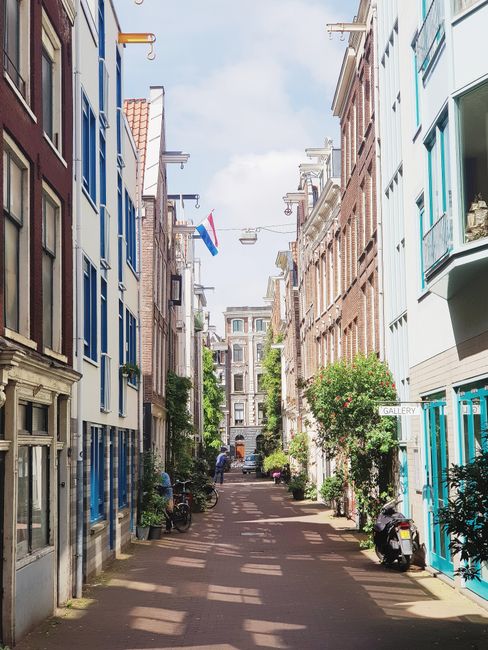
Narrow street access delays for Holland Park removals
Posted on 08/07/2026
Narrow Street Access Delays for Holland Park Removals: How to Plan a Smoother Move
If you are moving in Holland Park, the street itself can become the main challenge before the first box is even lifted. Narrow street access delays for Holland Park removals are common enough to deserve proper planning, especially around terraces, mansion blocks, mews-style roads, shared driveways, and streets where parking is tight at the best of times. One wrong assumption can leave a van circling, neighbours frustrated, and your move running behind schedule.
The good news? Most access delays are manageable once you understand what causes them and how removal teams work around them. In this guide, we will walk through the real reasons narrow street access slows moves in Holland Park, the practical steps that help, the mistakes people make, and what to ask before moving day. If you want a broader sense of local moving options while reading, you may also find the services overview useful alongside this article.

Why Narrow Street Access Delays for Holland Park Removals Matters
In a move, time is not just money. It is also energy, patience, and sometimes the difference between a calm handover and a chaotic scramble in the hallway. Narrow streets create a chain reaction: the van cannot stop where you expected, loading takes longer, trolleys have farther to travel, and any small snag gets magnified.
Holland Park is especially sensitive to this because many roads were not designed for modern removal vehicles. You may have parked cars on both sides, sharp corners, limited turning space, garden walls, basement steps, and building access that adds another layer of difficulty. Even if the property is only a short drive from the rest of West London, the final 100 metres can be the bit that slows everything down. Bit annoying, really.
When delays happen, the knock-on effect is usually felt in three places:
- Scheduling - later start times, slower loading, and a move that overruns the day.
- Cost control - extra labour time, additional waiting, or a second trip if the van cannot get close enough.
- Stress levels - more noise, more congestion, and more chances for something to get scratched or dropped.
That is why narrow access is not a side issue. It is often the central planning issue. If you are already comparing removal companies in Holland Park, it is worth focusing on how each team handles awkward access rather than just looking at the headline price.
Expert summary: In narrow streets, the cheapest move is rarely the cheapest once delays, repositioning, and extra handling are added. Good access planning usually saves time, and often saves money too.
How Narrow Street Access Delays for Holland Park Removals Works
Access delays usually begin before the van arrives. A remover plans a route, estimates where the vehicle can stop, and looks at how items will move from the property to the vehicle. If any part of that plan is off, delays appear quickly.
Here is the usual sequence. First, the crew reaches the street and checks whether the van can pull in safely. If the road is narrow, there may be no easy place to stand, and the driver may need to wait for a gap in traffic. Next, the team looks for the nearest workable loading point. That might be directly outside the property, half a street away, or at a safer stopping point around the corner. From there, everything has to be moved by hand, with trolleys where possible.
In practical terms, narrow access delays are caused by one or more of the following:
- limited kerbside space
- parked cars reducing passing room
- low branches, gates, or overhanging obstacles
- tight stairwells or basement entry points
- shared entrances where other residents need access too
- loading restrictions or awkward timing windows
- large furniture that cannot be turned neatly through hallways
For flat moves, the issue often shows up at the front door or the stairwell. That is why many people moving from upper floors check dedicated services such as flat removals in Holland Park when the access feels more complicated than a standard house move.
For some homes, the move itself is straightforward once the route is set. For others, the real work is in staging the loading point, protecting the furniture, and keeping the path clear. One small delay at the van can become five separate delays inside the property. It adds up fast.
Key Benefits and Practical Advantages
It may sound odd to talk about benefits when the topic is delays, but good access planning does create genuine advantages. The main one is simple: fewer surprises. And in removals, fewer surprises usually means a better day.
- Faster loading and unloading - items travel fewer metres, and the team spends less time shuttling between door and van.
- Lower risk of damage - less carrying distance means fewer bump points, especially for mirrors, table tops, and framed art.
- Better crew efficiency - the team can keep rhythm, rather than pausing every few minutes to re-route.
- Less disruption to neighbours - shorter blocking times and calmer foot traffic around the entrance.
- More accurate pricing - when the access plan is realistic, the quote tends to match the job more closely.
There is also a practical comfort benefit. If you know in advance that the van may need to stop further away, you can pack differently. You can stage heavy boxes near the exit, label priority items, and avoid trapping essentials at the back of the flat. That small bit of forethought changes the feel of the whole morning.
If you are also arranging a quick one-van move, a man with a van service can be a sensible fit for smaller loads, especially where a larger vehicle would be harder to manoeuvre. And if you are comparing costs, the man with van rates page helps you understand how access and time can influence the final price.
Who This Is For and When It Makes Sense
This topic matters to more people than you might think. Narrow access delays are not just for large house moves or mansion flats. They affect students, renters, families, office teams, and anyone moving from a property where the van cannot sit directly outside.
You will especially want to plan carefully if you are:
- moving from a period flat with a narrow stairwell
- leaving a mews property or side-street home
- moving furniture during peak parking hours
- handling fragile or bulky items like pianos, wardrobes, or oversized sofas
- trying to move in one day with a tight key handover
- using storage as part of the move
It is also relevant if your move is linked to a sale or purchase and timing is already under pressure. Anyone who has read about selling your house in Holland Park will know how easily access problems can complicate completion day. A delayed removal truck and a delayed solicitor are a terrible combination. Nobody wants that.
Students and short-term renters can feel this too. In fact, small moves can be surprisingly fiddly because people often assume the job will be quick and do not leave enough room for access issues. If that sounds familiar, it may be worth looking at student removals in Holland Park as a way to keep things compact and manageable.
Step-by-Step Guidance
Here is a practical way to reduce narrow street access delays without turning the move into a military operation. Keep it simple. Simple is usually best.
- Assess the street honestly. Stand outside at the time of day you expect the move to happen. Look at parked cars, one-way turns, delivery traffic, and whether a large van could stop without blocking everything.
- Measure the route from door to vehicle. Even a short route can become awkward if there are steps, tight corners, or a heavy front gate.
- Flag bulky items early. Let the removal team know about wardrobes, pianos, antique furniture, or anything that needs more than one person or special handling.
- Plan for a staging area. If the van cannot park right outside, decide where boxes can wait safely and dry. Hallways, entrance lobbies, and pavement space all need thought.
- Keep access clear on the day. Move bins, bikes, prams, and loose clutter before the team arrives. Tiny obstructions become big ones very quickly.
- Build in a buffer. If the street is likely to be busy, allow extra time. Not just ten minutes. Be generous with it.
- Confirm the plan in writing. A short note about vehicle size, access route, and arrival time avoids awkward assumptions later on.
If the move is more complex than expected, think about whether temporary storage could help. A split move can reduce pressure when a van cannot load everything in one clean run. The storage options in Holland Park page can be useful if you are deciding whether to move in stages.
One small but important point: if the access route includes stairs, do not leave that detail out because it feels obvious. The crew might be experienced, yes, but they still need to know. Obvious to you is not always obvious to the person unloading at 8:30 on a wet Tuesday morning.
Expert Tips for Better Results
In our experience, the smoothest narrow-street moves are the ones where the client gives the team the unglamorous details upfront. Not just the postcode. The little things. The gate that sticks. The bin lorry that arrives early. The neighbour who parks across half the road. Those details matter.
Tip 1: Start with the hardest item
If a sofa, piano, or large wardrobe is likely to be the main issue, plan that item first. Do not leave it until the van is half loaded and everyone is tired. That is when a five-minute problem becomes a twenty-minute one.
Tip 2: Keep one loading lane in your mind
Visualise how a person will carry each item from the property to the van. If the path feels crowded on paper, it will feel crowded in real life too.
Tip 3: Use the move window wisely
Early mornings are often calmer on narrow streets. By mid-morning, school runs, deliveries, and local traffic can make everything slower. If you have a choice, timing can make a noticeable difference.
Tip 4: Protect corners and thresholds
Scrapes often happen at doorframes, stair turns, and pavement edges. A little extra padding in those spots can save a lot of fuss later.
Tip 5: Choose the right vehicle size
Sometimes the best answer is not a bigger van, but a better-matched one. A van that is easier to position may actually move the job faster than something oversized. That is especially true for narrow streets where turning space is limited.
For larger or more specialised items, such as upright instruments, it is worth looking at piano removals in Holland Park or furniture removals if the access problem is more about handling than transport.
Common Mistakes to Avoid
Most access delays are predictable, which is a polite way of saying they are avoidable. Here are the ones that show up again and again.
- Assuming the van can stop outside. It often cannot. Or not for long.
- Not mentioning access constraints. This is the big one. If the street is narrow, say so early.
- Underestimating parking pressure. A space that looks available in the evening may disappear by morning.
- Packing too late. When boxes are still being sealed as the crew arrives, everything slows down.
- Ignoring building rules. Some flats have entry times, lift bookings, or access notes that matter more than people expect.
- Forgetting about neighbours and shared entrances. A blocked doorway can create complaints quickly.
People also overlook hidden costs. These can include waiting time, extra carrying distance, or a second lift of bulky items because the access route forces a less direct method. If you want a useful read on that side of the process, take a look at hidden costs to avoid when booking Holland Park removals.
And yes, packing mistakes matter too. Overfilled boxes and loose lids are not just annoying; they slow every stage of a narrow-street move. A solid packing plan can save time before the van even reaches the door, which is why this guide to common packing mistakes is worth a quick read if you are still in the packing phase.
Tools, Resources and Recommendations
You do not need a van fleet's worth of equipment to handle access delays well. A few practical tools and sensible preparations go a long way.
- Room-by-room labels - keep the loading sequence organised, especially if the van is parked further away than planned.
- Furniture blankets and stretch wrap - useful for avoiding marks where items are carried closer together through tight access points.
- Box trolleys - a real time-saver if pavement and entrance space allow them to be used safely.
- Door protectors and corner guards - especially useful in narrow flats and shared hallways.
- Inventory list - helps the team prioritise the heaviest and most awkward pieces first.
For broader planning, it helps to understand the whole move package rather than only the street itself. The main removal services in Holland Park page is a good reference point if you are comparing what is included, while the house removals page is useful when your move involves more than one floor or a larger furniture load.
If you are planning a business move instead, the access challenges are similar but the consequences can be a bit more tangled because desks, IT kit, and people all need to move around each other. In that case, office removals in Holland Park is the more relevant starting point.
Law, Compliance, Standards, or Best Practice
While this topic is mostly practical, there are still a few standards and duties worth keeping in mind. Removal teams in London generally need to work safely, avoid unnecessary obstruction, and handle loads without creating avoidable risks for staff, residents, or passers-by.
That means good practice usually includes:
- safe lifting and carrying methods
- clear communication about access restrictions
- careful parking that does not create a hazard
- attention to building rules and timing arrangements
- reasonable protection of floors, walls, and doorframes
Health and safety is not just a paperwork thing. In a narrow road, one rushed turn or one awkward lift can cause far more trouble than people expect. If you want to understand how a responsible team approaches this, the health and safety policy and insurance and safety pages are useful trust signals before you book.
There are also plain operational standards to think about. The crew should be able to explain how they will manage waiting time, access restrictions, and any unexpected delay. If they are vague, that is a warning sign. Not a disaster, but definitely a nudge to ask more questions.
Options, Methods, or Comparison Table
There is no single best way to handle narrow street access. The right method depends on property type, street width, load size, and how urgent the move is. The table below gives a practical comparison.
| Approach | Best For | Strengths | Limitations |
|---|---|---|---|
| Direct kerbside loading | Wide enough streets with brief stopping space | Fastest and simplest | Not always possible in Holland Park side roads |
| Park-and-carry from a nearby spot | Narrow roads with some nearby stopping space | Flexible and often realistic | Slower, more labour intensive |
| Small-van or man-and-van setup | Smaller loads, one-bedroom moves, light furniture | More manoeuvrable in tight streets | May require more trips |
| Split move with storage | Complex or timing-sensitive moves | Reduces pressure on moving day | Extra coordination needed |
| Specialist handling for bulky items | Pianos, antiques, oversized furniture | Lower damage risk, better control | May take longer and need advance planning |
For many local residents, the most efficient option is a combination: a smaller vehicle where access is tight, plus smart packing and a realistic schedule. That combination is not flashy. It just works.
Case Study or Real-World Example
Let's take a realistic example. A family moving from a first-floor flat off a narrow Holland Park street assumed the van could stop directly outside for the whole loading process. On the day, that turned out to be optimistic. Parked cars left only a slim gap, and another vehicle was already using the best stopping point.
Rather than forcing the issue, the removal team used a nearby loading spot and moved items by hand over a short distance. The heaviest pieces were taken first while the crew had energy, and the smaller boxes were staged near the entrance before being loaded in batches. It took longer than the family expected, but the move stayed controlled.
The difference was planning. Once the team knew about the narrow access, they had already packed extra protective materials, allowed a little more time, and brought the right moving aids. Nobody had to improvise under pressure. Well, not much anyway.
What the family learned was straightforward: the issue was not the narrow street itself. The issue was assuming the street would behave like a wider suburban road. Holland Park rarely does that. Once you accept the local reality, the move gets easier to manage.
Practical Checklist
Use this checklist a few days before the move. It is simple, but it catches most avoidable mistakes.
- Confirm the exact street access situation and any parking restrictions.
- Tell the removal team if the road is narrow, one-way, or hard to turn in.
- Check whether a larger van can physically stop near the property.
- Measure large furniture and note anything awkward.
- Clear hallways, front steps, and entry points.
- Protect floors and corners in advance if possible.
- Decide where boxes will wait if the van must park farther away.
- Keep essentials separate so you are not searching for them later.
- Ask whether storage or a split move would reduce pressure.
- Allow extra time in your day plan. A little extra, not a little hope.
If you are still deciding between options, you can also review man and van in Holland Park, man and a van in Holland Park, or broader removals in Holland Park depending on the scale of your move.
And if your move needs to happen quickly because timings have changed, same day removals in Holland Park may be worth checking, provided access details are clear from the outset.
Conclusion
Narrow street access delays for Holland Park removals are frustrating, but they are rarely mysterious. They come from practical realities: limited space, parked cars, awkward turning points, and buildings that need careful handling. Once you account for those factors early, the move becomes far more predictable.
The main thing is to plan with the street in mind, not just the property. That means being honest about access, choosing the right vehicle size, preparing for a short carry if needed, and giving the team enough detail to work efficiently. It is not about making the move complicated. It is about making it less complicated than it has to be.
If you are moving soon and want a calmer, better-organised process, start with clear access information and a service that matches the street, not just the postcode. That small shift can save a lot of time and quite a bit of stress.
Get a free quote today and see how much you can save.