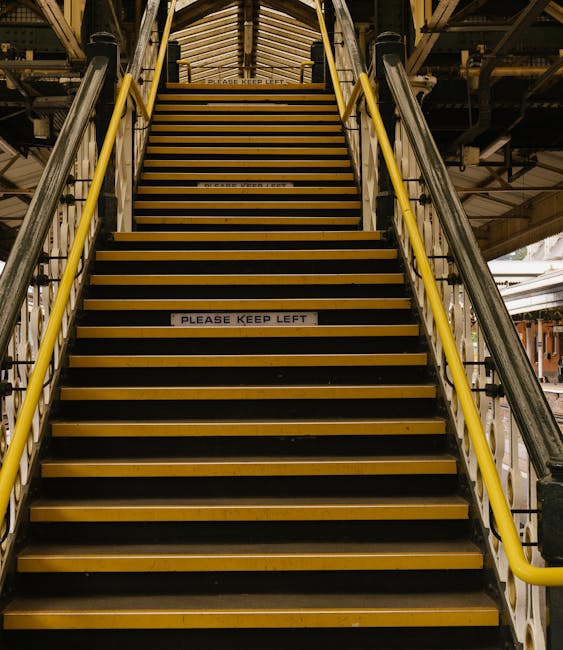
Lansdowne Road flat removals and stair access solutions
Posted on 01/06/2026
Lansdowne Road Flat Removals and Stair Access Solutions: A Practical Guide for Safer, Smoother Moves
If you are planning a move on Lansdowne Road, you already know the tricky bit is often not the van, but the stairs. Narrow landings, awkward turns, basement flats, top-floor walk-ups, and the usual London "just one more flight" feeling can turn a straightforward flat move into a long day. That is exactly why Lansdowne Road flat removals and stair access solutions matter so much: they help you move belongings safely, keep stress down, and avoid the sort of damage that costs time, money, and patience.
This guide breaks down how stair access planning works, what to expect from a professional removal team, and how to prepare your flat so the move runs properly from the first box to the last chair. You will also find a checklist, a comparison table, and a realistic example from a typical London flat move. Truth be told, the stairs are often the whole story.

Why Lansdowne Road flat removals and stair access solutions Matters
Flat moves are rarely simple in older London streets, and Lansdowne Road is no exception. Many properties have narrow staircases, tight front entrances, shared hallways, or difficult kerbside loading conditions. Even when the flat itself is well organised, access can become the main obstacle. A sofa that fits on paper may still snag on a bend. A bed frame may need to be dismantled. A fridge can be too tall for a landing once it is upright. Small things, but they matter.
Stair access planning matters because it reduces risk for everyone involved. Without it, people carry heavy items blindly, block communal areas, or discover too late that a piece simply will not turn. That is bad for the item, bad for the building, and frankly bad for the mood of the day. A good move feels calm because the awkward parts were thought through before anyone lifted a box.
There is also the practical London side of it. A flat move can involve neighbours, parking considerations, shared entrances, and time pressure. If you are also dealing with flat removals in Holland Park, the same core challenge applies: moving safely through a real building, not an ideal one. Stair access is not a side issue. It is the job.
Practical takeaway: The smoother the access plan, the safer the move. On busy residential streets, planning around stairs, corners, and loading space usually saves more time than rushing ever could.
How Lansdowne Road flat removals and stair access solutions Works
In simple terms, stair access solutions are the methods and preparations used to move items in and out of a flat when the stairs make the job awkward. That may mean dismantling furniture, using protective covers, choosing the right team size, or sequencing the move so the largest items go first. Sometimes it also means using a smaller vehicle or a man with a van service rather than a larger removal lorry, especially where access is tight.
A proper stair-access move usually starts before moving day. The team checks the route: front door, communal hallway, staircase width, turns, ceiling height, railings, and where items can be briefly staged. They may also ask about parking, lift access if there is one, and any building rules that affect moving hours. The point is not to overcomplicate things. It is to avoid surprises.
On the day, the team will typically break the job into stages:
- Protect the route with covers or blankets where needed.
- Prepare items by dismantling bulky furniture and securing loose parts.
- Load strategically so heavy or fragile pieces are handled in the right order.
- Carry with control using two-person lifts where necessary and steady communication on stairs.
- Check and clear each room and landing so nothing gets left behind.
That sounds straightforward, and most of the time it is. The challenge is in the details. One careless pivot on a landing and suddenly the skirting board has a new story. A careful team knows that stairs are less about strength than coordination.
For broader planning, it can help to read through the company's services overview and the more detailed removal services in Holland Park page so you know what level of support you actually need.
Key Benefits and Practical Advantages
The real value of stair access planning is not just convenience. It changes the whole feel of the move. Here are the main benefits you are likely to notice.
- Less risk of damage: Furniture, walls, bannisters, and floors are all better protected when the route is planned.
- Faster loading and unloading: A team that knows the staircase can work more efficiently and avoid awkward re-handling.
- Less physical strain: Carrying on stairs is tiring and can become unsafe if the load is too awkward or the route too cramped.
- Better protection for neighbours and communal areas: Shared hallways stay cleaner and clearer.
- Lower stress on moving day: You are not standing in the doorway wondering whether the wardrobe will make the turn. Well, hopefully not.
- More accurate quotes: If access is clear from the start, pricing and timing are usually more reliable.
There is also a subtle advantage that people often miss. Good stair access planning helps you decide what to keep, what to dismantle, what to sell, and what to store. If moving a certain item is going to be genuinely awkward, that may be the moment to rethink it. A move has a habit of revealing which furniture is actually useful and which furniture just happens to exist.
If you need a broader local comparison before choosing a provider, the page on removal companies in Holland Park is a useful place to compare the type of support available.
Who This Is For and When It Makes Sense
Stair-access planning is useful for anyone moving from a flat with awkward or limited access, but some situations really benefit from it more than others.
Typical situations where it makes sense
- Top-floor flats with no lift
- Basement or lower-ground homes with steep steps
- Converted houses with tight internal staircases
- Students moving between rented flats
- People moving bulky furniture, pianos, or awkward pieces
- Households with limited time on move day
It also makes sense if you are moving in a hurry, or if you simply do not want to manage the heavy lifting yourself. Many people assume a small flat move will be easy because the property is modest in size. That is not always true. A compact flat on the fourth floor can be more difficult than a bigger home with a lift and a wide hallway.
If you are a student, a lighter service may be enough, and the student removals in Holland Park page is a useful related read. If you are moving a full household, you may be better served by a more complete house removals service that can handle multiple rooms and heavier items.
Step-by-Step Guidance
A successful stair-access move is built on preparation. Here is a practical order that works well for most flat removals.
1. Measure the awkward bits first
Do not start with the living room checklist. Start with the staircase, hallway, front door, and the biggest item you own. Measure the width of the stairs, the tightest turn, and the height of any low ceiling points. If your bed base or sofa is borderline, that is the place to focus. It is a simple step, but it saves a lot of guesswork.
2. Identify bulky and fragile items
Make a list of furniture that may need dismantling, including beds, wardrobes, desks, dining tables, shelving, and large mirrors. Separate fragile items from standard boxes so they can be loaded carefully and placed where they will not get crushed. If you have specialist items, such as a piano, it is worth looking at piano removals in Holland Park rather than treating it like ordinary furniture.
3. Check access at both ends
One end is only half the story. Is the vehicle able to park close enough? Are there restrictions? Is the route to the flat clear of bins, bikes, prams, or furniture already on the landing? Even a small obstruction can slow everything down when you are carrying a heavy item on a staircase. It really can.
4. Decide what needs dismantling
Some pieces will go through a staircase only if they are broken down into smaller parts. That may mean removing legs, headboards, doors, or shelves. Keep screws and fittings in labelled bags and tape them to the correct item where possible. Yes, it sounds boring. It also prevents that strange post-move moment where you have three bolts left over and no clue why.
5. Protect the route
Floor runners, blankets, corner protection, and padding around bannisters are all useful in tighter buildings. Protective prep matters more in stair moves because the contact points are concentrated. A couple of careful covers can prevent scuffed walls and scratched woodwork.
6. Load in the right order
Heavy items, fragile items, and awkward shapes should not all be mixed together at random. A sensible load order keeps balance in the van and makes unloading easier. It also reduces the chance that a fragile item ends up under a heavier box because someone was in a hurry and, well, doing a bit of Tetris under pressure.
7. Do a final room-by-room check
Before the team leaves, walk through every room, cupboard, bathroom, and storage area. Check windows, sheds, balconies, and under-bed spaces too. You would be surprised how often a charger, toolbox, or envelope of documents is left behind in plain sight.
Expert Tips for Better Results
Little adjustments make a surprising difference on stair-heavy moves. Here are some habits that experienced movers tend to rely on.
- Book a morning slot if possible. Stairs are easier to manage when everyone is fresh and the building is quiet.
- Keep the stairs clear from the night before. Shoes, umbrellas, recycling bags, and door mats all become trip hazards very quickly.
- Use fewer, stronger boxes. Overpacked boxes are miserable on stairs. They are awkward to hold and more likely to fail halfway up.
- Label by room and priority. Mark boxes for "first unload" so essential items are easy to find at the new place.
- Take photos of cable setups and furniture fittings. It speeds up reassembly later.
- Tell the removals team about anything unusual. A hidden extra flight, a shared entry code, or a very tight turn is worth mentioning in advance.
One small local observation: in London flats, stairs are often the silent bottleneck, while the van and the boxes get most of the attention. That is backwards. If the access route is right, the rest of the move usually feels much easier.
If you want to match the move type to the right vehicle, the man and van in Holland Park page and the man and a van option can help clarify what kind of service fits your flat.

Common Mistakes to Avoid
Some moving mistakes are minor. Others make stair moves drag on for hours. These are the big ones to watch out for.
- Assuming everything will fit. A photo and a guess are not measurements.
- Leaving access questions until moving day. By then, the route is fixed and the pressure is on.
- Overfilling boxes. Heavy boxes on stairs are a bad mix.
- Forgetting to tell the team about parking or building restrictions. That can create delays before a single item is lifted.
- Not protecting bannisters and floors. It is such a small thing until there is a scuff mark on freshly painted wood.
- Trying to move oversized furniture without dismantling. Sometimes it works. Often it does not. Be honest with the geometry.
Another common mistake is choosing the cheapest option without checking whether stair access is included in the planning. A low headline price can look good until the team arrives and discovers the staircase is a problem. That is usually where the real costs start creeping in.
Tools, Resources and Recommendations
You do not need specialist equipment for every flat move, but a few basic tools and materials make stair access far easier.
Useful tools and materials
- Furniture blankets for padding and scratch protection
- Ratchet straps or tie-downs to stabilise van loads
- Mattress bags and sofa covers for protection from dust and rain
- Strong tape and marker pens for box labelling
- Basic tools for dismantling beds, tables, and shelves
- Gloves with grip for better handling on stairs
For packing support, the packing and boxes guide is a sensible next read. If you need to keep belongings safe between properties, storage in Holland Park may also be useful, especially if your new flat is not ready yet.
If your move needs to happen quickly, you may want to check whether same-day removals in Holland Park are suitable. Not every move needs that pace, but when plans change suddenly, having the option matters.
Law, Compliance, Standards, or Best Practice
For stair-access removals, compliance usually comes down to sensible handling, safe working practice, and respect for the building. There is no single rulebook for every flat, but there are clear expectations in the UK removals trade. Teams should use safe lifting methods, avoid blocking communal exits, and take care not to damage shared areas. That sounds obvious, yet it is exactly where good practice shows.
If a building has narrow access, shared hallways, or specific moving windows, the removals team should factor that into the plan. In some cases, building management may set conditions for access, lift use, or parking. It is wise to check these early rather than on the morning of the move. Also, if you are dealing with repeated trips on stairs, the team should work in a way that reduces risk of strain or slips. No heroic lifting, no guessing. Just proper handling.
A trustworthy company should also be clear about insurance, payment handling, and customer service routes if something needs to be raised. The site's health and safety policy, insurance and safety information, and terms and conditions are useful pages to review before you book. If you want to understand how quotes are structured, the pricing and quotes page is also worth a look.
Options, Methods, or Comparison Table
There is more than one way to handle a flat move with stairs. The best choice depends on item size, access, budget, and how much help you want on the day.
| Option | Best for | Strengths | Limitations |
|---|---|---|---|
| Man and van | Smaller flat moves, lighter furniture, flexible schedules | Simple, quick, often cost-effective | May need more handling time for large items |
| Dedicated flat removal service | Full flat moves with multiple rooms | Better planning, more manpower, smoother stair handling | Usually more involved to book |
| Partial dismantle-and-move | Bulky furniture that will not fit intact | Makes awkward items manageable on stairs | Requires tools and careful reassembly |
| Storage plus staged move | Moves with timing gaps or delayed access | Reduces pressure on move day | Extra planning needed |
In many Lansdowne Road flat removals, the first two options are the most common. If you are unsure which way to go, a quick discussion with the team usually makes the answer obvious. Sometimes the move is small enough for a van. Sometimes it is one of those "it looks small until you start carrying it down three flights" situations.
Case Study or Real-World Example
Here is a realistic example. A couple moving out of a second-floor flat on a London residential road had a sofa, a bed, a dining table, and about twenty boxes. The staircase was narrow, with a turn halfway down and a small communal landing. No lift. The sofa looked fine in the living room, but on the staircase it would have jammed unless it was angled carefully and one part was removed.
The team measured the widest point of the sofa, dismantled the table legs, wrapped the mattress, and protected the bannister. They also agreed in advance which items would come down first and which room each set of boxes would go into at the new place. Nothing dramatic, nothing flashy. Just a bit of planning, steady lifting, and clear communication. The move finished without damage, the hallway stayed tidy, and the couple got on with the rest of their day instead of dealing with a wall scratch and a frustrated neighbour.
That is what good stair access support looks like. Not magical. Just organised. And on a moving day, organised feels almost luxurious.
Practical Checklist
Use this checklist to keep a flat move on track when stairs are part of the equation.
- Measure the stairs, landings, front door, and tight turns.
- Check whether any furniture needs dismantling.
- Confirm parking and loading access for the van.
- Tell the team about lifts, codes, or building rules.
- Protect floors, bannisters, and corners where needed.
- Label boxes clearly by room and priority.
- Keep essential items separate for the first night.
- Pack heavier items into smaller boxes.
- Remove loose fittings and bag the screws.
- Walk through the property before the team leaves.
Expert summary: The best stair-access moves are not the fastest ones at the start; they are the ones that stay controlled all the way through. Measure early, pack sensibly, and keep the route clear. That combination solves most problems before they become problems.
Conclusion
Lansdowne Road flat removals and stair access solutions are really about one thing: making a difficult access route feel manageable. Once you understand the staircase, plan the route, and choose the right level of support, the move becomes much less stressful. You do not need a perfect building. You need a sensible plan.
If your flat has tight stairs, awkward corners, or bulky furniture, the smartest move is to deal with those issues early. That usually means measuring properly, preparing the items that need dismantling, and choosing a removals service that understands London flats rather than just claiming to. Small difference, big result.
For a smoother move, it also helps to browse the wider removals in Holland Park page and the main services we provide overview so you can match the help you need with the scale of your move. If you are comparing local context too, the blog on Holland Park W11 removals near the station is a useful read, especially if timing and access are part of the picture.
Get a free quote today and see how much you can save.
And if all you do after reading this is measure your staircase properly, that is already a very good start. Sometimes the smallest bit of planning saves the whole day.